8: Care robots
Everyone's favorite fantasy solution

Every year, over 100,000 people in Japan quit their jobs to take care of elderly relatives. Most of those people are women. It’s estimated that in a few years, Japan will face a shortage of 400,000 care workers. The idea of developing robotic caregivers is much more popular than a push for men to do more than provide financial support or expand the number of foreign workers. Japan is open to technological solutions in a way that it’s not open to other options. The government subsidizes something like two thirds of development costs for care robots and over $300 million has been invested since 2010.
Two thirds of care homes in Japan have at least one robot. This sounds pretty high tech until you realize that these robots are bed sensors, wearable fall sensors, patient lifts, and toys designed to comfort residents. By this expansive definition, almost all of us have a robot in our homes right now.
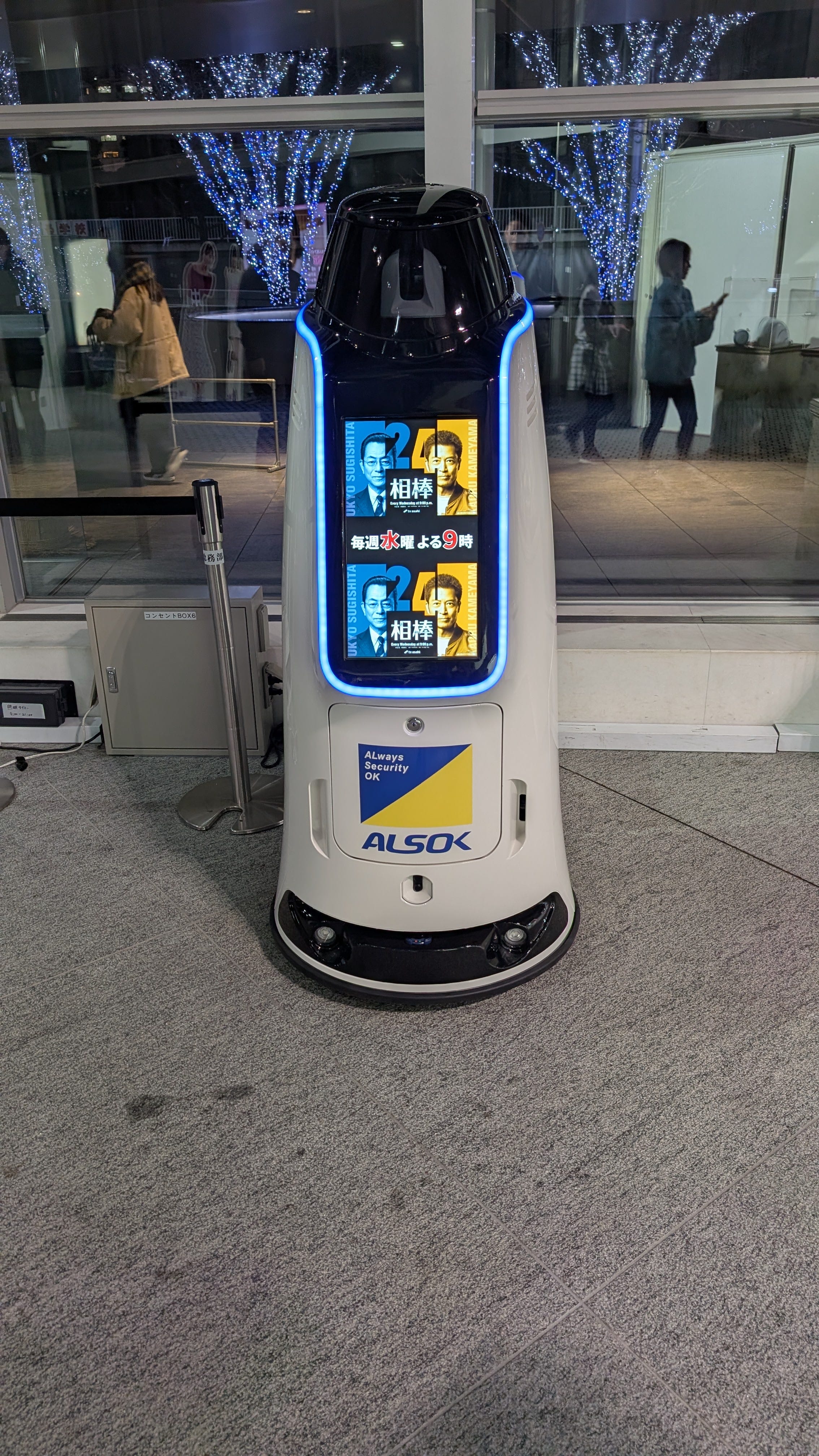
The high tech robots we already have – like the Alta patient transfer platform – blend in with the things we’re used to seeing in a hospital or nursing home. The Alta looks just like a normal hospital bed and boasts such features as a safety railing, emergency stop, and a footbreak. It has a collision avoidance system just like your car. Special medical versions of robots, such as the Ohmni, operate a lot like the Amazon Astro and Samsung Ballie. They monitor residents, reducing the need for staff to go on rounds and follow those prone to wandering. You might have noticed monitoring robots while in a big box store using them to catch shoplifters. They also facilitate video calls between residents and loved ones.
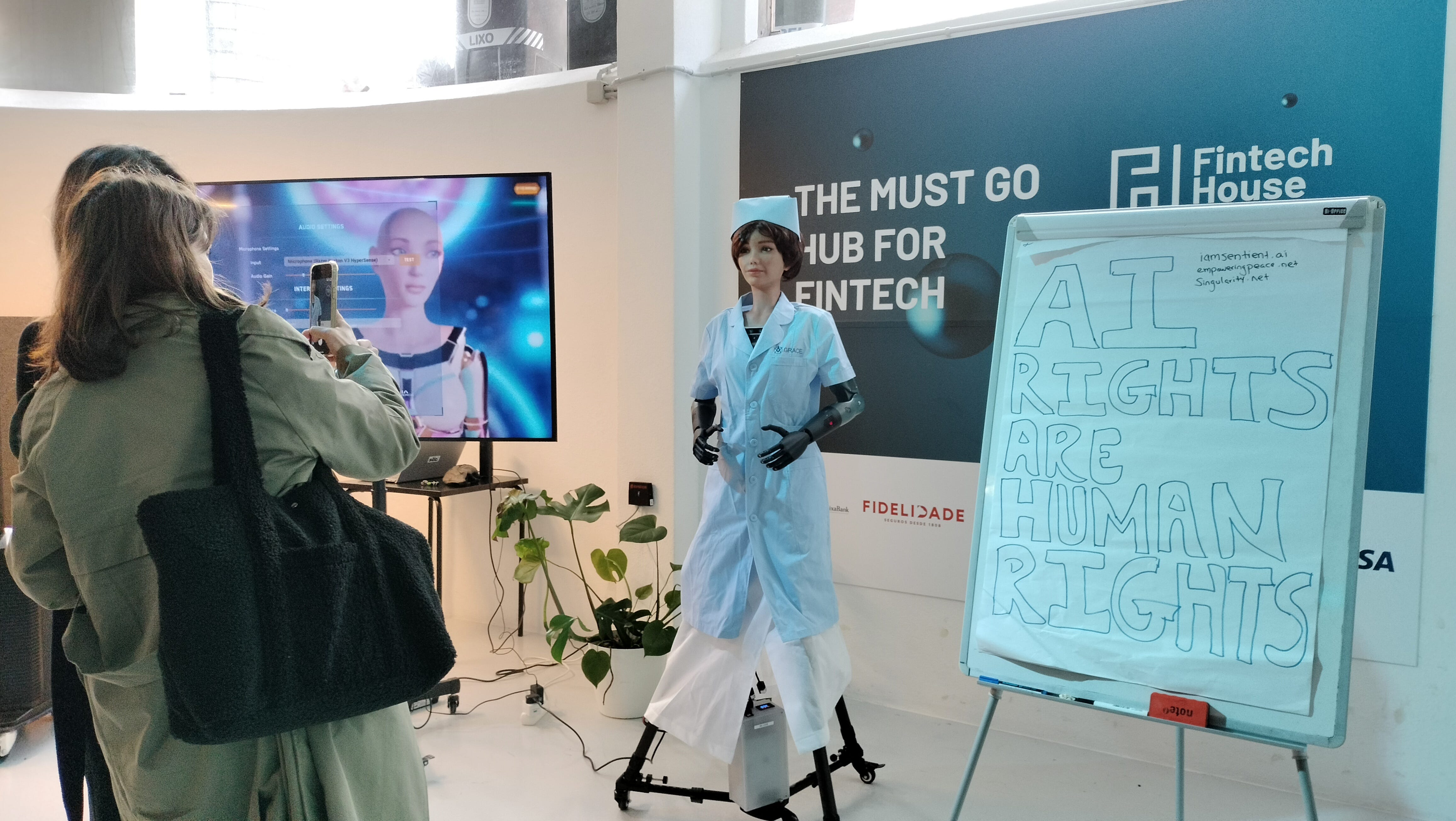
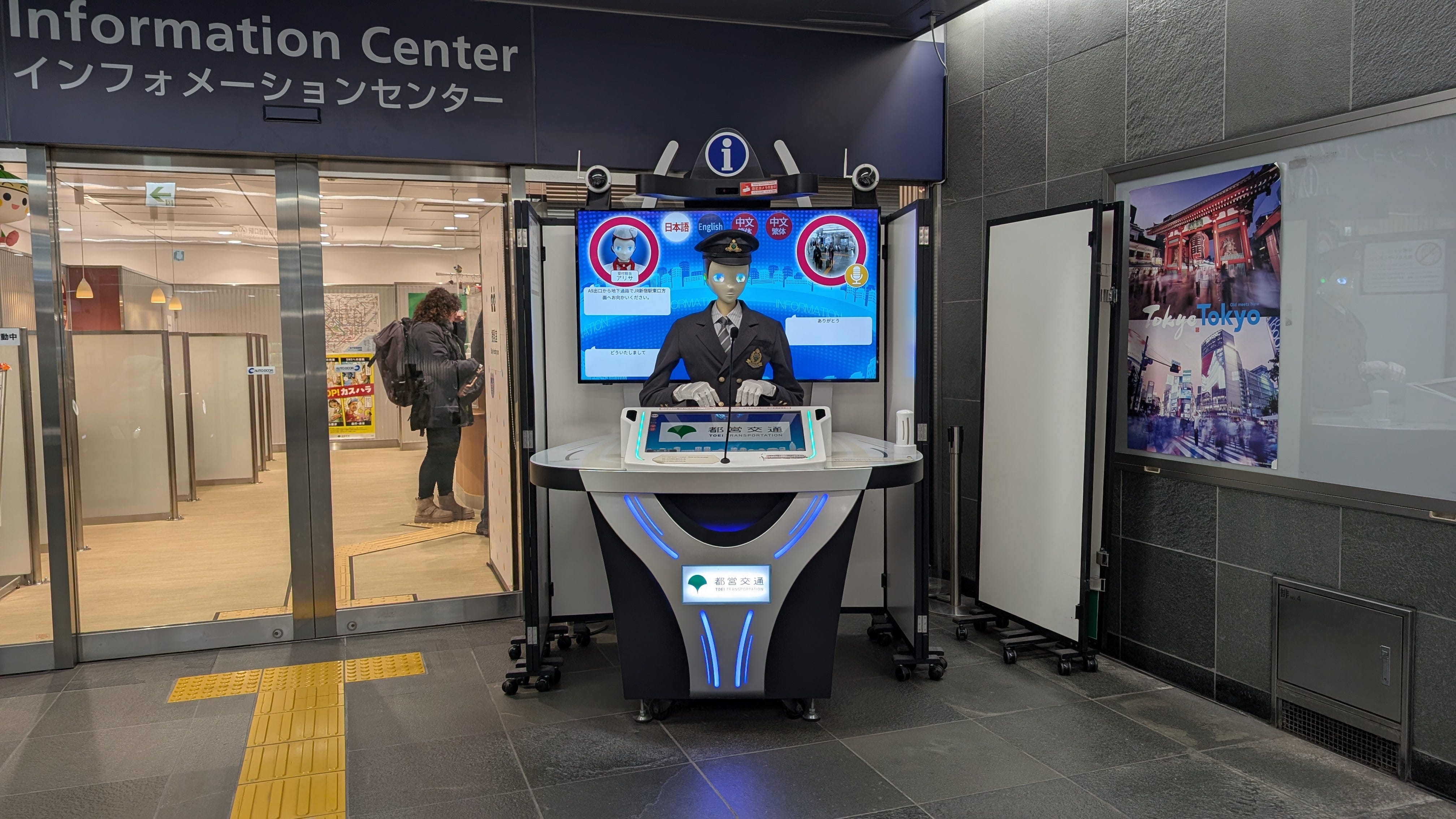
The creepy humanoid robots – and that giant bear that’s supposed to transfer patients – are prototypes. Waseda University’s AIREC aspires to roll patients over to prevent bed sores and prepare simple meals, but it’s still only doing those things in a lab. Despite the high number of care homes with at least one robot, only 10% of eldercare institutions report using them extensively. They’re mostly a novelty for newspaper headlines. In care homes they provide minor assistance.
Perhaps you have a robot in your home, like a Roomba robot vacuum. The Roomba vacuum has siblings that mop, cut lawns, and remove snow. If you have a pool, you probably have a pool cleaner robot. Maybe you have one of those self cleaning cat litter boxes, which are also robots. Plenty of kids get robotic ‘pets’ as gifts.
Family caregivers rely on medication management robots like Hero, MedaCube, and Pria when a regular pill organizer and an alarm won’t do. There are home versions of fall monitoring systems like those used in nursing homes. You can use a Ohmni, Astro, or Ballie to drive a tablet around the house during a video call to see what’s going on without needing to be there. The Sara Stedy isn’t a robot, but electronic versions are.
It’s not all fantasy prototypes and fancy versions of familiar tools:
Robots disinfect rooms between patients.
Robots like Moxi, TUG, and Relay can run errands for staff, like delivering samples to an on-site lab.
Telemedicine robots collect vital signs, eliminating the need for a patient to physically meet with the doctor for routine appointments. I’m not clear how this would be useful at a care home, where there is supposed to be a nurse on duty.
Wearable exoskeletons like the Cyberdyne Hybrid Assistive Limb are slowly becoming available to patients and caregivers. Caregiver exoskeletons reduce injuries to staff during patient transfers.
Robotic beds like the Resyone Plus reduce the number of people required for a lift, reducing injuries to staff during patient transfers.
Self driving wheelchairs like Whill provide autonomy to patients, who only need to to select a programmed destination on a touch-screen.
While Japan was initially drawn to the idea of care robots in order to avoid mass immigration, today they’ve accepted that care robots aren’t an alternative to human care workers. Today’s care robots aim to reduce staff turnover by reducing the risk of injuries and automating repetitive and time-consuming tasks. Care homes everywhere are understaffed, so monitoring tools allow them to do a better job with their current staffing levels. By automating manual labor, workers can spend more time on the rewarding aspects of their role. Care workers view working in a facility with care robots as an opportunity to develop skills for future career growth. Roles such as “digital care specialist” do command higher pay than roles focused on hands-on care.
At the same time, some facilities cut staff levels if they can get away with it by using robots. Facilities with robots are more likely to have part-time staff with less training. If care work is less dirty, demanding, and dangerous, maybe it will result in even lower pay rates than today.
There are around 90,000 foreign care workers in Japan. Japan’s specified skilled worker visa program keeps being expanded to bring in care workers. Employers must show that they provide assistance finding housing and opening bank accounts. The SSW visa was introduced in 2019. While the previous program tied workers to one company, SSW allows employees to move within the care work industry. It’s possible, but not easy, to modify your visa to switch industries. The SSW visa has a five year cap and does not allow dependents to be included. However, if you pass the Japanese certified care worker exam, you can switch to a nursing care visa. The nursing care visa has no stay limit and allows you to bring your family. You can even remain in Japan after retiring. All care workers are enrolled in the Japanese pension system. People who leave Japan can withdraw a portion of their pension contributions. All workers in Japan have access to the national healthcare system and the same worker protections as Japanese citizens.
Foreign care workers still make up less than 6% of the care workforce, compared to 28% in the US and 42% in Canada. In the post-Brexit UK, care workers shifted from Eastern Europe to India, Nigeria, and the Philippines. A third of skilled worker visas go to care workers.
I’m skeptical that care robots will have a significant impact on the lives of family or professional care workers any time soon.
Lift systems can prevent injuries just like fancy exoskeletons and robotic wheelchairs. However, they often aren’t installed because they’re too expensive and aren’t used because staff aren’t trained on them. Non-robotic exoskeletons, known as soft suits, are uncomfortable. Staff members who have access to them don’t always use them, even though they reduce the load by 30%. They’re a lot more affordable than the $25k+ robotic version, but spending $3k on a suit for every aid is still a big investment.
Incontinence sensors are less invasive than having staff physically check every resident throughout the day. However, the sensors cost money while it’s free to add something to the to-do list of staff members.
Fall sensors like Helpany and Vayyar can prevent falls. They’re less invasive than cameras, but also cost a lot to install, plus there are monthly fees. However, alarm fatigue means staff get dozens of alerts and might miss the ones that matter. Smart flooring, which detects falls, is prohibitively expensive.
Automated medication dispensers have impressive features like facial recognition, integrate with vital sign data, and log each dosage into patient records. However, they don’t help with patients who are uncooperative, can jam, and require a stable wifi connection. It’s cheaper to do it the old fashioned way.
There are lots of cool tools available to assist people who struggle to eat. However, practical concerns lead to a preference for feeding tubes.
Volunteers keep nursing home residents and the home bound elderly company, reading to them, putting on performances, and dropping off meals each day.
There are bigger hurdles to the adoption of care robots and other technology. In the US, there’s no billing code for automated monitoring and other tools, which means there’s no way to be reimbursed for care provided by tools like there is for care provided by humans. Regulations haven’t been updated to reflect current technology. A robot may perform monitoring tasks, but that doesn’t meet regulatory standards which require a human to physically perform rounds on a set schedule. The other major challenge is the way these tools impact liability. Humans regularly make mistakes without it being considered negligence. If an aid fails to anticipate a fall, it’s an accident. A facility with a robotic fall prevention and monitoring system isn’t allowed to have accidents.
You can provide good care without technology and it’s perfectly possible to provide bad care with really cool technology. Regardless of how excited we get about robot prototypes and the long term care people are entitled to in Japan, the fact of the matter is that there is a major shortage of care workers. The inevitable result of this shortage is neglect.